“Ripe beans” search results (5000)

General knowledge of Coffee roasting talking about Coffee roasting
Roasting raw coffee beans is called coffee roasting, roasting is the source of coffee flavor, raw beans can not be drunk without roasting. Roasted coffee beans determine 80% of the taste of coffee, the roasting process is very tricky, not roasted, the fire is too strong, then the outer ripe endogenesis, the fire is too weak, then the inner ripe overcooked. Coffee beans are roasted both inside and outside, and controlling the heat is the key point. Good baking energy
2014-10-09 Coffee knowledge coffee roasting roasting knowledge
General knowledge of Fine Coffee talking about Coffee roasting
Roasting raw coffee beans is called coffee roasting, roasting is the source of coffee flavor, raw beans can not be drunk without roasting. Roasted coffee beans determine 80% of the taste of coffee, the roasting process is very tricky, not roasted, the fire is too strong, then the outer ripe endogenesis, the fire is too weak, then the inner ripe overcooked. Coffee beans are roasted both inside and outside, and controlling the heat is the key point. Good baking energy
2014-11-24 Coffee knowledge boutique Agfa coffee common sense coffee roasting
Ethiopia sidamo Sidamo G2 grade washing treatment of African coffee boutique coffee ripe beans
The Sidamo producing area, which is 1400-2200 meters above sea level, is a famous boutique coffee area in southern Ethiopia, bordering Kenya. The washed Sidamo is light green, the beans are small, the growth is oval, the fruit is full, the average quality is good, the smell is fragrant and mellow, a drop of entrance, endless aftertaste, with wild beauty. The coffee flavor of Sidamo is very diverse and different.
2016-03-26 Ethiopia sidamo Dharma Grade washing processing Africa Coffee
Comparison of flavors between raw coffee beans and ripe beans
Sometimes, you will see a lot of marks on the coffee bean cup score table that have not been paid attention to before, such as almond pie, dried currants, green peaches or cream. So, which of these unique flavors are born with coffee beans and which are roasted? Raw coffee beans tend to have farm aromas such as grass or hay, but if stored and transported
2015-01-09 Boutique coffee beans common sense coffee raw beans cooked beans flavor contrast sometimes you
Coffee Bean Processing Method Introduction Sunlight Coffee Bean Processing Method Ethiopia Sunlight Ye Jia Xue Fei
Solarization is a traditional method of primary processing of coffee beans, and ancient coffee growing countries such as Ethiopia and Yemen still use solarization almost exclusively for raw beans. Sun-drying begins by spreading tank-identified beans, ripe or semi-ripe, on a drying ground. The exact time depends on local climatic conditions, and generally takes two weeks to four weeks.
2016-04-25 Coffee beans green beans processing profile sun fasa bia yega sherry
Introduction to the flavor and taste characteristics of Ugandan coffee manor with low ripe fruit aroma
Ugandan coffee beans have a unique flavor of delicate taste, which is very suitable for making Italian and other flavors of coffee. More importantly, Ugandan coffee beans are strictly screened according to the standards of the international market to ensure their high quality and pollution-free characteristics. Africa is the hometown of two major varieties of coffee, Arabica and Robusta, while the eastern Africa enjoys a plateau water hometown and a pearl of East Africa.
2016-09-09 With low fruit fragrant Uganda coffee manor producing area flavor taste
Indonesia manning and gold manning coffee Indonesia manning boutique coffee ripe beans Sumatra island
Sumatra is the main producing area of Indonesian boutique coffee, and the coffee system is relatively complex, which can be briefly summarized into four types: (1) Mantenin, refers to the half-sun or sun-dried beans in the Lindong Mountains of the south-west coast around Lake Toba in north-central Sumatra; (2) Golden Mantenin, after four manual screening, is higher than the general Mantenin and has larger particles; (3) Golden Mantenin is higher than ordinary Mantenin and has larger grains.
2016-04-13 Nieman Tenin Gold Mante Coffee Fine goods cooked beans Sumatra
The birth of coffee beans (1) Coffee trees from planting to fruiting
Coffee trees take 3-5 years from planting to fruiting. 6-10 years of coffee trees are the most likely to bear fruit, about 15-20 years, is the harvest period. Coffee trees are usually bred in nurseries and grow into saplings, and then moved to coffee farms a year later, in full compliance with the way the Arabs planted and cultivated coffee trees. Coffee trees will continue to take root downward and upward in the first four or five years of their growth.
2015-10-12 Coffee beans birth planting fruit coffee 3-5 year
The birth of Fine Coffee Culture and Common sense Coffee beans
The lifetime of a coffee tree takes 3-5 years from planting to fruiting. 6-10 years of coffee trees are the most likely to bear fruit, about 15-20 years, is the harvest period. Coffee trees are usually bred in nurseries and grow into saplings, and then moved to coffee farms a year later, in full compliance with the way the Arabs planted and cultivated coffee trees. Coffee trees will continue to decline in the first four or five years of growth.
2014-12-26 Boutique coffee culture common sense coffee beans birth life planting knot
What is the price of Rosa coffee if you buy ripe beans directly in Panama? Panamanian rosy summer coffee
Hope Manor [country]: Panama [production area]: SHB [Variety]: Katula, Katuai, Iron pickup [baking]: CITY+ (moderate) [treatment]: washing [planting Environment]: altitude 1400-1600m [producer / Company]: hope Manor HaciendaLaEsperanza [Certification]: organic certification [taste and flavor]
2016-04-27 Rosy summer coffee is in Panama directly buy ripe price how much probably hope
The harvest time of coffee is different in different countries and regions.
The collection time is different in different countries and regions. The harvest process requires a lot of manpower, especially high-quality coffee, which can only pick fully ripe brown coffee peaches. Since all coffee peaches do not ripen at the same time, you need to go back to the same tree many times to pick them. Coffee beans come from a ripe peach called cherrie.
2015-10-07 Coffee harvest production process different countries the same place time are not the same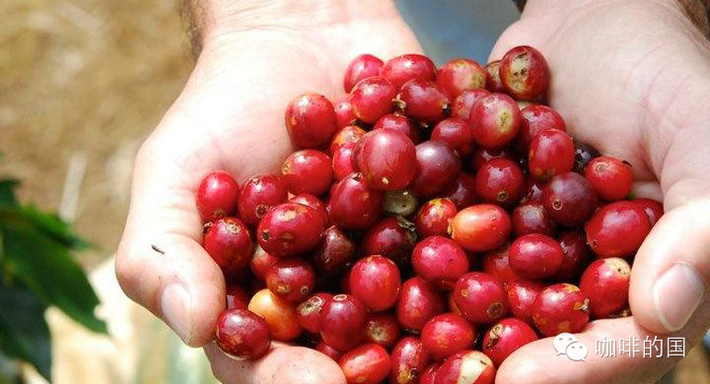
Boutique Coffee Yega Snow Coffee Ethiopia Yega Fischer kochere washed G2 ripe beans
Cochel is located in a small producing area 25 kilometers southeast of Yegashafi, Ethiopia. It is a rich area for coffee production. It is also one of the three famous and micro-producing areas of Yegashafi. It has about 100,000 local residents, and coffee beans are the main source of income. The processing and processing equipment of this production area is very advanced. Coffee Review, a well-known coffee evaluation website, gave Kocher a high rating of 94 points for washed beans.
2016-03-26 Boutique Coffee Yega Chevy Ethiopia Sheffiko Cher koche
Introduction to the characteristics of flavor description treatment method for roasting degree of raw and ripe beans of El Qomolangma coffee
Country of production: El Salvador; Garden name: Saint saliva production period: 2006 / 2007 defects Specification: 6 defects / 300g size Specification: over 18 mesh 95% Coffee Variety: Pacamara, it is a hybrid between wave and giant beans. Flowering period: April-May harvest period: December-March other: processing method completely washed, 100% natural drying, origin mark
2016-10-17 El Salvador Mount Everest coffee raw beans cooked beans roasting degree flavor description place
Is it Robusta or Arabica? Panamanian Pokuet Rosa content 30% Cupid ripe
Global coffee bean tree species are mainly divided into: Arabica and Canephora, of which Arabica coffee beans account for more than 100 coffee varieties of 70%80%coffee. The more common coffee varieties are: Arabica Arabica, with outstanding personality and unique flavor, is the main force of boutique coffee, mainly used in coffee shop management and high-end coffee market supply; Robsta
2016-04-22 Robes Booth or Rabbi Card seed Coffee Bean Variety Panama Pokui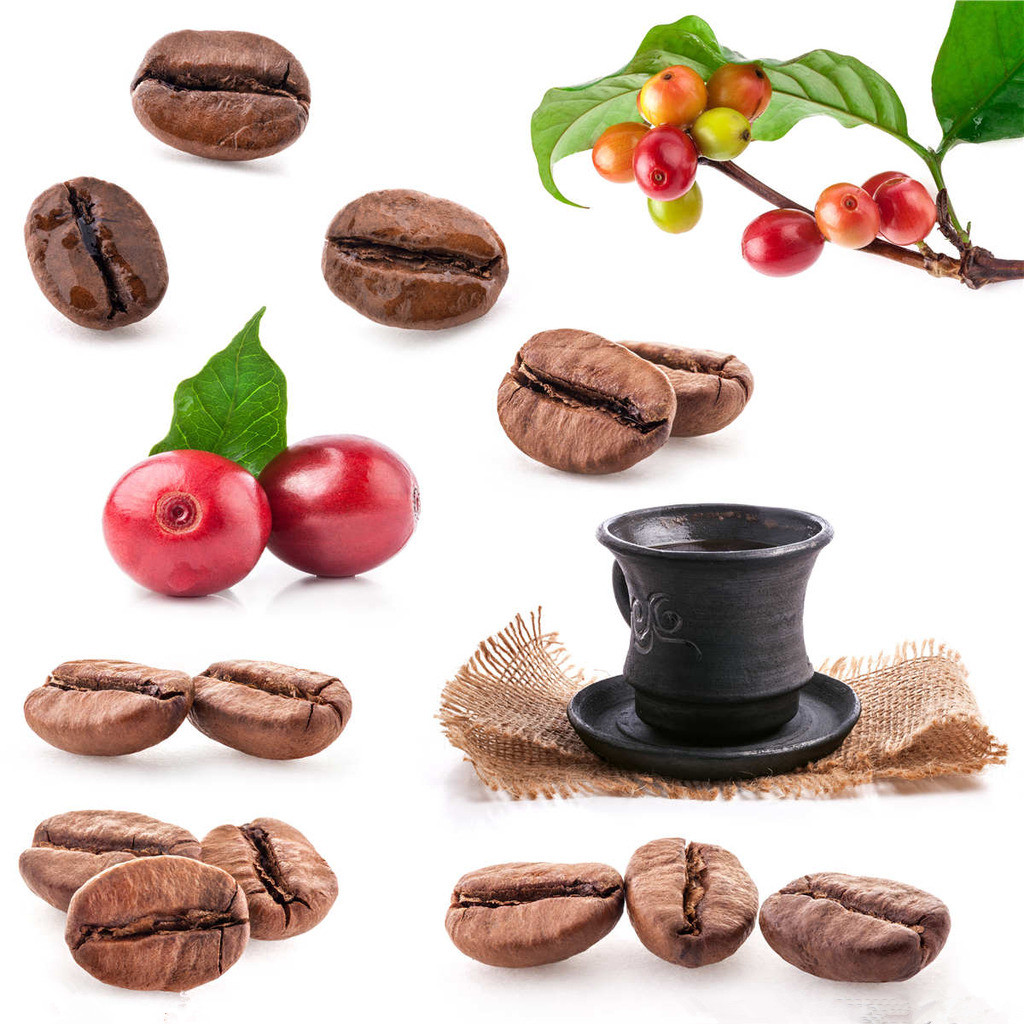
The journey of coffee beans: the movement of raw beans from seed beans across the ocean to ripe beans
Sandoz, Rio, Mocha, Amsterdam, Cuba. These are both worldwide port cities and coffee export and import ports. As a transportation terminal for coffee, these cities are very famous. Coffee can be transported by land and air depending on the situation, but most of it is still transported by sea. So some of the coffee is also named after the port. Such as Mocha, three degrees.
2015-12-17 Coffee beans travel raw beans moving seeds drifting across the sea cooked beans process degrees
Sun treatment of Primary processing of Fine Coffee beans
Tanning is a traditional method for the initial processing of coffee beans, and at present, almost all coffee-growing countries such as Ethiopia and Yemen still use solarization to treat raw beans. Sun treatment will first identify sunken beans in the sink, that is, ripe or half-ripe beans are spread in the drying farm for natural drying. The specific time depends on the local climatic conditions, which usually takes two to four weeks.
2014-11-14 Coffee knowledge boutique coffee beans processing sun drying
The method of taking beans from the processing of Coffee beans
Tanning is a traditional method for the initial processing of coffee beans, and at present, almost all coffee-growing countries such as Ethiopia and Yemen still use solarization to treat raw beans. Sun treatment will first identify sunken beans in the sink, that is, ripe or half-ripe beans are spread in the drying farm for natural drying. The specific time depends on the local climatic conditions, which usually takes two to four weeks.
2015-03-16 Coffee beans processing extraction methods solarization treatment tradition coffee beans beginning
The way to pick up beans: in the sun. Wash and bask in half the sun. Semi-washing
Everyone knows about oranges. Banana。 Apples and other fruits are rich in organic acids, immature fruits eat sour and astringent taste, ripe fruits taste sweet and delicious, because the organic acids of the fruit are converted into sugar.
2014-06-17 Coffee knowledge ways to pick up coffee beans coffee encyclopedia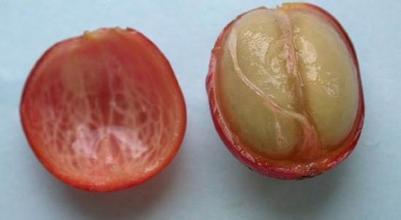
Coffee beans how to choose coffee beans? How to choose coffee beans? Buy coffee beans with ripe beans
How to choose coffee beans? How to choose coffee beans? As a matter of fact, at present, there is no unified classification in the coffee industry, and each producing country has its own classification. For example, Brazil sets NO.2 as the highest level and Jamaica sets NO.1 as the highest level. For individuals, because people's preferences and tastes are different, the grading can not be fully presented.
2016-03-22 Coffee beans how to choose how to buy cooked beans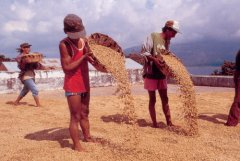
A brief introduction to the treatment of raw coffee beans
Tanning is a traditional method for the initial processing of coffee beans, and at present, almost all coffee-growing countries such as Ethiopia and Yemen still use solarization to treat raw beans. Sun treatment will first identify sunken beans in the sink, that is, ripe or half-ripe beans are spread in the drying farm for natural drying. The specific time depends on the local climatic conditions, which usually takes two to four weeks.
2014-09-23 Coffee knowledge coffee bean treatment tanning method